

Employee Assistance Program (EAP): 8 Best Providers in 2026
Top EAP providers and companies for your people's well-being— reviewed and rated by our HR tech experts. See details on features, pricing, and more below.









Employee assistance programs (EAP) promote your workplace wellness by providing employees with psychosocial and emotional assistance during their challenging moments. We’ve researched dozens of EAP companies, and here’s a detailed rundown of our favorites, plus common pitfalls, questions for demos, and other great resources.
To determine the best employee assistance program providers, we used a mix of hands-on testing, industry and market research, expert input, and in-house editorial skills. We vetted each tool across multiple factors, but the following three are what we consider must-haves for a top EAP company: data security, UX/UI, and representation.
- Data Security: All employee information needs to be kept private, but the stakes are high for EAP software. The tool will go unused if employees aren’t confident about the EAP’s data security. Among other inspections, our researchers ensured authentication and encryption protocols were followed and checked for HIPAA, GDPR, and PCI DSS compliance.
- UX/UI: EAPs are often used during difficult times, so our process included specific and stringent requirements for ease of use. We assessed efficiency, intuitiveness, and error tolerance, which are unique to the needs of those using employee assistance programs.
- Representation: An EAP company is only as good as its referral network, and that network is only good if it represents the needs of your team. Our experts conducted extensive research on product partnerships and resources to ensure each provider could accommodate the needs and preferences of a diverse workplace.
We are committed to providing the best software advice to the rapidly growing community of HR pros who depend on us for a balanced and objective approach. If you want to learn more about us or how we create guides like these, you may enjoy this article about how we evaluate HR tech vendors.



Modern Health

A proactive mental healthcare solution, Modern Health is highly personalized, interactive, and easy to use. It is a perfect option for organizations looking to support their workforce with customized treatment plans based on the employee’s current mental health needs.
PROS
- Personalized treatment plans tailored to your specific mental health needs.
- Community sessions in a safe space for meaningful discussions, learning from therapists and coaches, and gaining new skills.
- Clean and user-friendly app interface, enhancing the overall experience.
- Modern Health offers personalized treatment plans based on your specific mental health needs.
- Modern Health's community sessions create a safe space where you can participate in discussions that matter to you, listen and learn from therapists and coaches, and pick up new skills.
- Modern Health’s app interface is clean and user-friendly, setting the tone for the entire experience.
CONS
- Once the sessions covered by your employer are exhausted, paying out of pocket can become quite costly.
- Once you run out of sessions covered by your employer, paying out of pocket can get quite expensive.
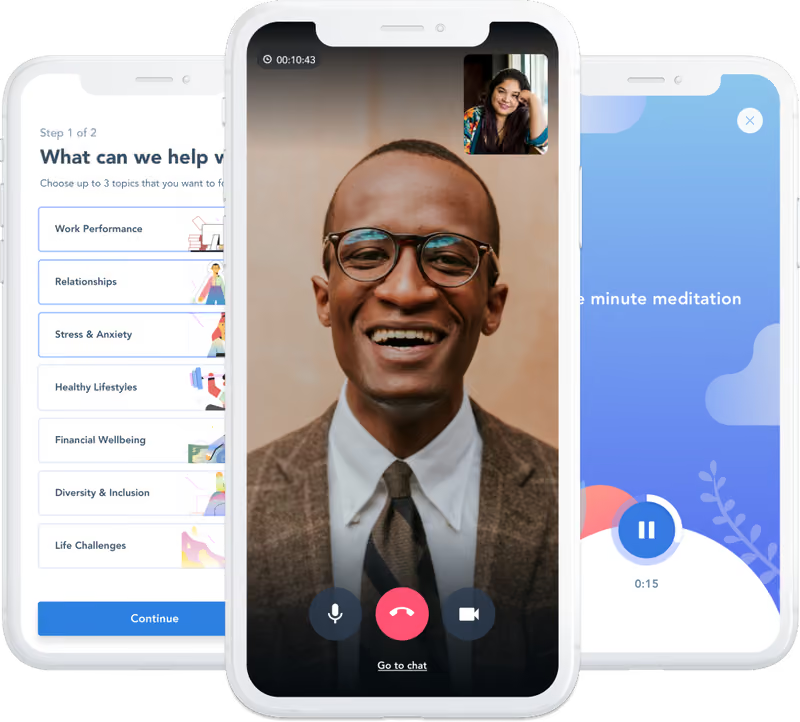
Modern Health provides a customized treatment plan aligned with mental health needs and objectives. Plans typically include a mix of self-help resources, behavioral coaching, group sessions, workshops, courses, and therapy, tailored to support their well-being. All you have to do is answer a few questions, get a personalized plan, and connect with a provider.
As an employer, you are provided access to the Insight Hub - a portal that integrates with your existing HR information system and provides valuable information about your workforce. You can view key metrics on the overall well-being of your organization, identify at-risk populations, see how many employees are using the platform, and extend support when needed. You can also use the Engagement Resource Library to equip yourself with the resources you need to handle your workforce. However, all patient information is confidential so employees don’t have to worry about their employer gaining access to their medical files.
Pixar, EA, Lyft
Employers decide on a set number of sessions for employees per year. Additional sessions may cost extra if not covered by insurance.
Employers must contact Modern Health for detailed pricing.

Best For
Any business looking to provide its employees with access to therapy, coaching, and mental health resources.


Our employees use Modern Health as needed. Some employees choose to engage with the online content, and others go straight to coaching or therapy sessions. Either way, the app and its resources are there when the employees need them. As a management team, we routinely gather testimonials to share, keeping the benefits of Modern Health front and center for our employees. I am pleased that we made the investment to keep our teams well.
Modern Health is user-friendly. The courses are short and simple, so they can fit into anyone's day. Access to licensed therapists is a key differentiator for them and the primary reason we selected them.
My company purchased Modern Health for a couple of reasons. First, we purchased it because when we surveyed our employees, they ranked mental health as their top priority. They asked that we invest in solutions for them and their families. Second, we knew we needed an easy-to-use app that employees could access from their phones, combined with actual clinical therapy. We have been using the platform for about a year and a half, and our employees love it. I have personally used it to research topics like stress management and healthy sleep habits.
The first con is that the app directs employees to a coach before they can sign up for a therapist. For some employees who only want to talk to a doctor, this makes them uncomfortable. Second, the app requires a very long password, meaning password resets are common. Lastly, the pricing model is a bit expensive, so we had to limit which employee groups could use it.
Access to coaches and therapists is unique. My company is in healthcare, so it was critical that our healthcare professionals could connect with other licensed healthcare professionals for their mental health needs. Simply having access to non-licensed coaches wouldn't have been sufficient for our population.
This is the type of tool that, once you provide it to your employees, you really can't or shouldn't take it away. As such, it's important to be sure that the company has the budget to support it for years to come. Lastly, understanding your employee base is important before selecting a tool that is primarily app/phone-based.
I have not used the app long enough to see material changes.
Modern Health is great for forward-thinking and caring organizations.
Modern Health would likely not be good in environments where the employees are not tech-savvy or are skeptical of online access to mental health support.

Spring Health
Spring Health uses machine learning to match an employee with a personalized care plan. Care Navigators, utilization reports, and a myriad wellness programs – these are some reasons why leading employers trust Spring Health.
PROS
- Data-driven insights and machine learning models are employed by Spring Health to create personalized mental healthcare plans.
- Each member is provided with a dedicated Care Navigator who guides them through their healthcare plan, addresses their inquiries, and schedules therapy sessions.
- Spring Health uses data-driven insights and machine learning models to create a personalized mental healthcare plan for every individual
- Spring Health provides every member with a Care Navigator who walks you through your healthcare plan, answers any questions, helps you schedule your therapy sessions, and acts as a guide in your mental wellness journey.
- Now supports over 20 languages.
CONS
- Limited to English language only
- You cannot access Spring Health’s services unless your employer has paid for them.

Spring Health’s EAP provides employees access to technology-driven mental healthcare, with solutions ranging from subclinical such as self-help resources and exercises to deeply clinical like coaching, therapy, and rehab. They also offer critical incident support, either virtually or on-site, whenever your team needs it.
For employees, the first 10 sessions every calendar year are free. After that, they are covered by insurance. For employer costs, contact Spring Health and talk to your benefits administrator.
Best For
Spring Health is great for any company looking to boost mental health efforts.
I currently use Spring Health as a personal consumer and have used the tool for various reasons. The primary workflows I use are initiating a claim, tracking my appointments, searching for local resources, and completing self-check exercises.
I access the tool as needed, depending on the level of support I require at a given time. Its user interface makes it easy to follow through on the tasks I need. I especially find it helpful for managing multiple aspects of mental health support in one place.
- The website is very user-friendly and easy to navigate.
- You can open multiple claims at once without having to re-enter information repeatedly.
- I appreciate the reminder feature for upcoming appointments.
My organization purchased Spring Health due to a significant increase in employees requesting support to address multiple stressors in their lives. We wanted to ensure that it was 100% confidential and easy to access.
The key benefits this tool provides are its 24/7 accessibility and its capability to track all activity related to your claim. I have personally used Spring Health for 10 years across various employers.
- While it’s possible to open multiple claims at once, it can be confusing since the tool does not provide a one-click option to select which claim you need assistance with; a dashboard feature could improve visibility of open claims.
- The tool does not offer a way to review closed claims in their entirety; I would recommend establishing a timeline during which the data remains accessible before being purged.
- There are not enough reporting tools to track possible trends.
Spring Health is a reputable tool and performs well compared to similar platforms. I prefer Spring Health because of the extensive services and resources it offers to the consumer.
Companies should consider accessibility, confidentiality, and computer literacy when deciding whether to purchase this tool. These criteria help ensure all users can effectively navigate and benefit from the platform.
Spring Health has done a great job updating its tool regularly. They send out surveys, and based on those results, I’ve seen numerous upgrades made to the system.
The user should have at least a beginner level of computer literacy. Spring Health is suitable for companies of any size and within any industry.
Spring Health is a good fit for all organizations.

LifeWorks
Enabling a proactive approach to employee wellness, LifeWorks addresses turnover, absenteeism, and productivity problems with a holistic approach to engagement and wellness. It’s interactive, mobile-first, and easily personalized.
PROS
- LifeWorks has a broad scope, encompassing mental, emotional, physical, and financial needs.
- 24/7 access to therapists and coaches proficient in treating various mental health disorders, utilizing techniques like Cognitive Behavioral Therapy (CBT).
- Self-help resources, activities, mental health management tips, workshops
- Their AbilitiAbsence feature identifies trends and drives strategy to reduce absenteeism by offering stakeholders and employers real-time information about employees' whereabouts and reasons for absence.
- Their comprehensive employee well-being services include rewards, absence management, employee engagement features, and more.
- Lifeworks’ employee wellness platform is a one-stop solution for all employee well-being needs. From mental to emotional, physical, and financial, this platform has something for everyone.
- Lifeworks’ EAP offers employees 24/7 access to therapists and coaches who are experienced in treating various mental health disorders using techniques like Cognitive Behavioral Therapy (CBT). Users also get access to a plethora of self-help resources, activities, tips on mental health management, workshops, and more.
- Lifeworks’ AbilitiAbsence makes absence reporting a breeze. Stakeholders and employers can get real-time information on who’s out of the office and why, identify trends, and build strategies to reduce absenteeism.
CONS
- With a 24 hour minimum wait time for urgent care and an average of 5 days to match employees with providers for standard care, this platform is not a good match for teams in need of swift service.
- Their price point is higher than many EAPs. However, LifeWorks offers more services than most.
- Lifeworks takes up to 5 business days to match you with a provider. In urgent cases, it takes a minimum of 24 hours. So if you’re looking for a platform that instantly connects you with a mental health practitioner in a matter of a few hours, then Lifeworks isn’t the best option.
- Some users say that Lifeworks’ pricing is more than a traditional EAP. However, bear in mind that Lifeworks is more than an EAP platform as it combines employee well-being services, rewards, absence management, and employee engagement.
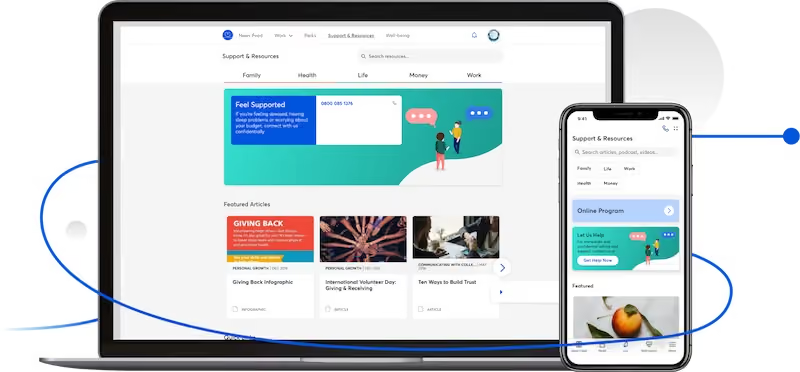
Lifework's EAP includes a well-being platform that offers 24/7 counseling sessions and self-help wellness resources for employees and their families. You can interact with licensed mental health professionals via video, chat, telephone, face-to-face, or group sessions, depending on whatever you're most comfortable with. They are equipped to help you navigate work-related problems, burnout, relationship issues, anxiety, depression, and other mental disorders. They also provide onsite critical incident support in the case of trauma or crisis. However, unlike some other EAPs that match you with a provider in a couple of hours, Lifeworks can take up to 5 business days and up to 24 hours in urgent cases.
Employees can also access specialists in financial and legal care to help with budgeting, debt, and legal proceedings, child care, elder care, and more.
- Nestle
- TD Bank
- Marriot International
While Lifeworks doesn't offer specific numbers, their service is offered on a subscription basis.
Best For
Lifeworks is best for companies looking for detailed wellness analytics along with their EAP.

I use Lifeworks daily, primarily for managing employee benefits. Whenever an employee has a question, I can quickly access the portal to provide accurate information. I have also used Lifeworks for financial planning, which has been particularly helpful.
Additionally, the platform provides resources on employee wellness best practices, ensuring I stay informed. I also use it for tracking employee attendance and facilitating manager training sessions, helping to keep our team engaged and well-prepared.
- Benefits Management: Lifeworks serves as a centralized tool for managing employee benefits, making it easy to access and share information.
- Telehealth Services: The ability to schedule telehealth visits ensures employees receive timely support for their health and wellness needs.
- Training Support: The platform provides training resources for managers, helping them enhance their skills and better support their teams.
The company implemented Lifeworks to support employees' overall well-being, including mental, physical, and financial health. These are the core areas Lifeworks focuses on, with the goal of fostering a healthier and more engaged workforce. We also wanted to enhance our benefits offerings to create a more supportive work environment.
Lifeworks has provided valuable resources that help employees manage stress, improve financial literacy, and access healthcare support. I have personally used Lifeworks for three years and have seen its positive impact on employee well-being.
I don’t have any major concerns. Lifeworks offers excellent customer service, stays ahead of industry trends, and continuously enhances its benefits program. Their responsiveness and adaptability make them a valuable partner in improving employee well-being.
I haven’t personally used similar tools, but I worked with Giraffe HR on an Upwork assignment. They provide financial benefits through stock options and offer mental and medical support, which are important aspects of employee well-being.
However, their overall approach differs from Lifeworks, which provides a more comprehensive solution focused on multiple aspects of employee health.
Organizations should first define their goals for improving employee well-being. If the objective is to enhance mental, physical, and financial health, Lifeworks is a strong option. Investing in a platform that supports employees in multiple areas can help create a more engaged and productive workforce.
Lifeworks continuously adapts to market trends, incorporating new features related to employee recruitment, retirement planning, and overall wellness. This ensures it remains competitive and aligned with the evolving needs of organizations.
Lifeworks is particularly beneficial for hospitals and companies that prioritize employee health and work-life balance. Organizations looking to improve workforce well-being will find it a valuable tool.
Lifeworks can benefit most organizations, but companies that do not focus on employee well-being as a core priority may not fully utilize its features.

Ulliance
Designed to resolve personal concerns, workplace conflicts, and life challenges, Ulliance's EAP is cost effective, personalized, and has a high level of participation.
PROS
- Ulliance offers a comprehensive EAP program that provides employees access to sessions with licensed counselors, behavioral coaching, and self-help resources such as podcasts, videos, tips on mental health management, activities, challenges, and more. Having such a massive library of resources is a great advantage.
- Unlike some other EAPs that cannot be used in the case of emergency situations, Ulliance offers 24/7 critical incident care so employees can use their services whenever they need them the most.
- Apart from offering services for employees, Ulliance also offers training, workshops, and consultation services for HR professionals and management so they can manage and grow their organization in a more efficient manner.
CONS
- Unlike some other EAPs, Ulliance’s well-being platform is not personalized based on an employee’s mental needs and treatment plan.
- Ulliance can get expensive if you’re looking at a short-term solution. For your investment in the tool to become ROI positive, you will have to use it for a longer period of time.
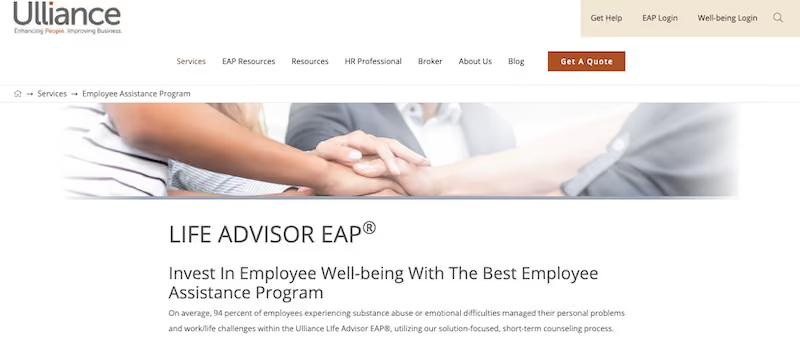
Ulliance's Life Advisor Resolution EAP Model® is one of the most robust EAPs available today. All employees will have unlimited access to a Resource Center portal with thousands of self-care resources, balanced living workshops, videos, and tips on improving mental health. They also get a flexible number of telephonic, face-to-face, or video counseling and behavioral coaching sessions with expert mental healthcare providers.
Apart from this, employees are eligible for discounted financial and legal consultations with experts, free HR & management consultations, and up to 60% off on hotels, concerts, movie tickets, travel, and theme park tickets. Ulliance's EAP also offers unlimited critical incident support in the case of employee death, accidents, robbery, or any traumatic events.
As an employer, you get assigned a dedicated Account Manager to help promote the utilization of your EAP. You also get comprehensive reports with data and insights on EAP usage and trends within your organization.
However, bear in mind that Ulliance's EAP is designed to be ROI-positive only in the long term. If you're looking for an affordable solution for the short term, then this may not be the one for you.
Best For
Any company looking for a comprehensive employee assistance and wellness platform.

Talkspace
Talkspace offers an immediate, responsive, and a result-oriented care. Their network of providers is managed continuously and they have efficacy studies published in peer-review journals.
PROS
- Access to licensed therapists and psychiatrists with expertise across various specialties
- Accommodates any budget by offering tailored subscription options
- Backed by research partners like NYU and Columbia University
- The platform provides access to licensed therapists and psychiatrists with years of experience across a range of specialties.
- Talkspace allows you to share your thoughts and feelings with your therapist 24 hours a day, irrespective of where you’re located. Your therapist will then respond to your messages at their earliest convenience.
- Talkspace offers different subscription options based on your budget and needs, so you’re bound to find something that works for you.
- Talkspace’s results have been validated by research partners like NYU and Columbia University. Out of a study of 10,000 participants, 50% fully recovered from their anxiety and depression symptoms after 12 weeks, while 70% saw significant improvement.
CONS
- Session times are limited to 30 minutes
- Text-based therapy may not be suitable for some users, so employers may need to add additional options to meet employee needs
- Because live sessions are only 30 minutes long, addressing and working through complex issues through these sessions alone is tough.
- Text-based therapy may not necessarily work for everyone. While some believe that it helps them be more vulnerable, others prefer live sessions as it helps them connect better with their therapist.
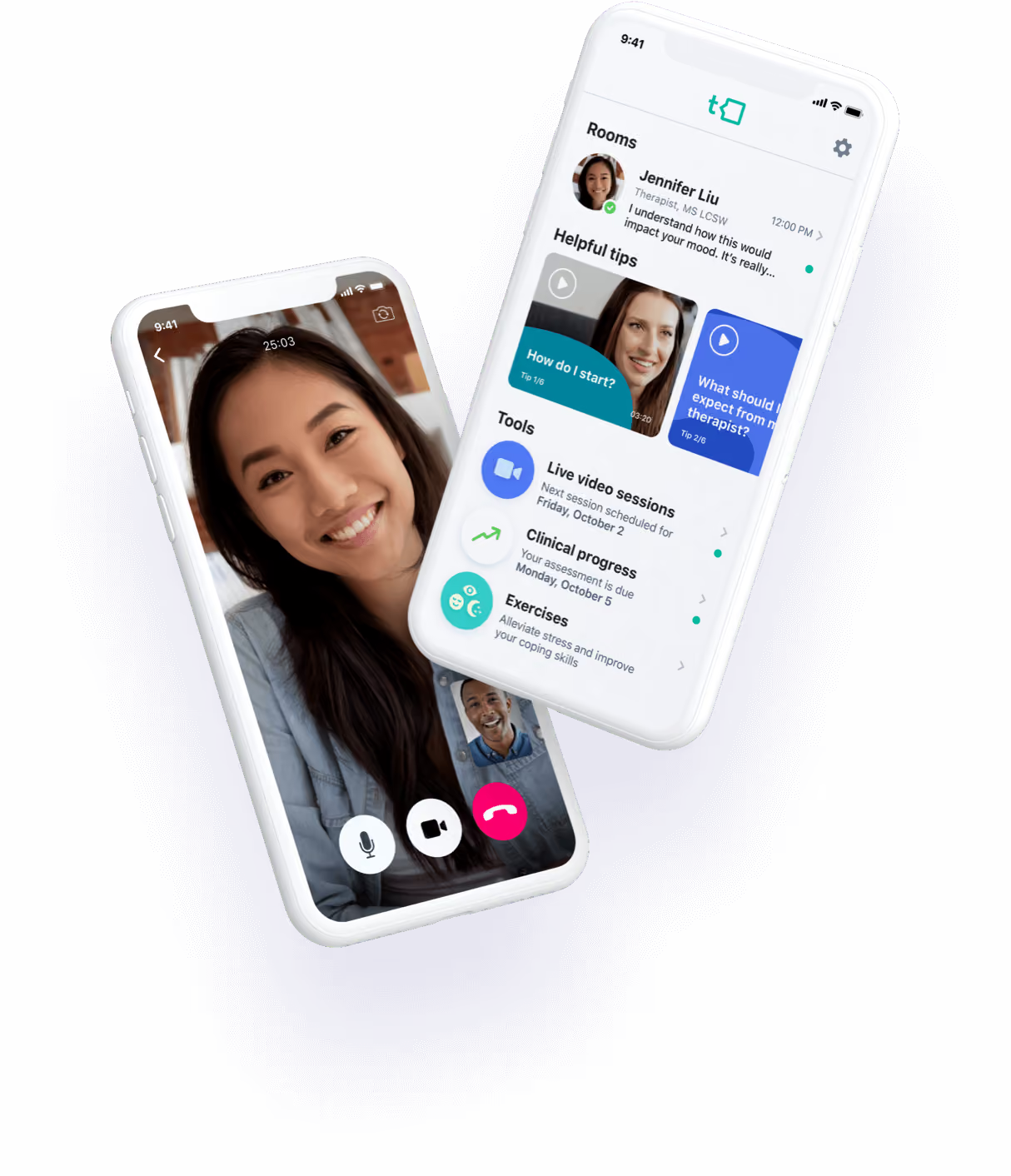
Talkspace offers comprehensive mental healthcare services, ranging from messaging therapy to live sessions, psychiatry consultations, medicine management, teen counselling, and couples therapy. While their services are convenient and accessible, they cannot be used as a substitute for emergent care. Further, if you’re dealing with more complex mental health issues like PTSD or chronic depression, text-based therapy or infrequent live sessions will not give you the results you desire.
- Blackstone
- Citi
Talkspace partners with health plans to provide online therapy to employees. Contact your benefits administrator for more details on the EAP.
If an employee is interested in Talkspace independently of their employer, plans start at $260 per month up to $396 per month.
Best For
Any company looking for a mental health platform that delivers clinically-proven results.

Talkspace is a mental health support platform that connects patients with therapists via online therapy channels. It allows the patient and therapist to have two-way communication when it's convenient for them to start or continue a text conversation. Talkspace was provided as a benefit to all employees at my last company, whether FT or PT. While Talkspace is not the right solution for everyone, it seemed to be well-received within our workforce. We had a larger population of Gen Z and Millenials.
Talkspace was definitely there at the right time and when people needed it most. The flexibility of allowing a patient to choose when to communicate is a key benefit to obtaining mental health services. People are not required to connect at a specific time on a specific day. It happens as they need it and receive timely responses from their mental health providers.
Talkspace was introduced to our employee population as a company-sponsored benefit to address the mental health crises triggered by the pandemic. Talkspace was launched in 2020 and remains in effect in 2024. It was launched at a time when there was a lot of fear, anxiety, stress, and uncertainty about the future. I personally used the platform for 2 years.
Talkspace is definitely not a tool for everyone since it is limited to only communicating with a therapist via text. People who prefer to be in-person or speak to a therapist live may not be interested in this app.
Talkspace was a pioneer in the mental health space providing access to and flexible support and resources. Other similar competitors do not have a large network like Talkspace or the tech capabilities they do.
Think about the type of mental health services you would benefit from and the most effective way to obtain them that makes the most sense for YOU. Not all tools and resources work the same for everyone so be sure to test different options before making a final decision. Mental health therapy is a very personal matter that can't be addressed in a cookie-cutter fashion.
Talkspace has evolved by adding different types of services for their patients, like medication management.
Talkspace would be a good option for any type and size organization.
I can't think of any.
Lyra Health
Lyra Health focuses on connecting employees with top-tier mental health providers within a day. With its platform, employees can receive personalized care, develop new skills, and measure their progress.
PROS
- The partner only with providers who employ evidence-based treatments and clinically-validated assessments
- Emphasis on ease of member access to resources
- Caters to diverse needs, ranging from preventative care and stress management to more severe issues
- Lyra Health only works with providers who use evidence-based treatments and clinically-validated assessments to measure mental health improvement.
- Lyra Health takes a personalized approach to mental healthcare, ensuring that every member has access to self-help resources, coaches, and therapists, whenever they need them.
- Lyra Health offers a range of treatment options grounded in science, based on your needs — whether that’s preventative care, dealing with day-to-day stressors, or dealing with something much more serious like suicidal tendencies.
CONS
- Price not available online - shoppers must contact their sales department
- You cannot access Lyra Health unless your employer has paid for it.
- Once you’ve used up your allotted number of sessions, you will have to either pay out of pocket, which can get expensive, or use your insurance to pay for it.
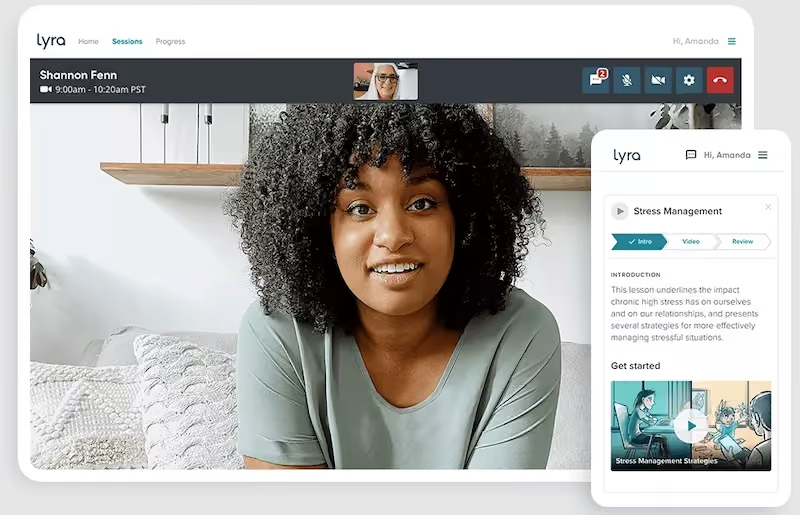
With a mission statement of only providing proven treatments, this EAP takes a quality-focused approach through evidence-based techniques to deliver care to your employees. Members can find the right personalized care, match with the right provider for their needs, and feel motivated and supported throughout the entire treatment journey.
Lyra Health's EAP provides employees with wellness and mental health services such as behavioral coaching, therapy sessions, medicine management, self-help resources, financial assistance, legal consultations, critical incident support, ID theft services, and child, elder, and pet care.
- Uber
- Morgan Stanley
Lyra Health is free for employees and their dependents. However, you must get in contact with the sales team to find out pricing for your company.
Best For
Lyra Health can benefit any company who uses it, as its reliable clinical improvements are proven by science to improve employee mental health.

Lyra-Health is advertised as a benefit to our employees during orientation when they start work. Lyra-Health is also promoted annually during open enrollment so employees can be reminded of this benefit. When employees are reaching out to our benefits vendor that some therapists don't take our insurance we remind employees that we have a contract with Lyra that you can use an allotted amount of sessions for free and then afterwards pay a nominal fee of $50 thereafter. It was our approach to helping support our employees' well-being.
It's an easy platform for our employees to use. The turnaround time to get a therapist is easy. It has good customer service.
During the pandemic we purchased lyra-health due to the overwhelming demand to provide EAP services to our employees. Working in healthcare many of our employees who are health care workers were selflessly putting patients first hence feeling burnt out themselves. Our own internal EAP services department for our employees had a long waiting list. In order to reduce the waiting time for our employees we purchased this service for our employees to use in lieu of work. We have used this service for 2.5 years.
Not all therapists are Psychologists. They can be more junior in their careers whether it's Mental Health Counselor or Social Work for the more acute mental illnesses.
They have the scale and massive network to meet needs. There are other smaller EAP vendors, but Lyra-Health has scope and depth.
How efficient is the service being provided. I would consider getting a contract based on instead of a flat fee, it could be by utilization. (i.e. how often employees use the service)
Large organizations who need mass coverage of mental health services and perhaps curbing cost of less acute issues
Smaller organizations

Anthem
Anthem's EAP offers quick and easy counseling services for employees and their family. Other than mental health services, employees can also seek counseling for adoption, pet care, legal consultations, among other things.
PROS
- Anthem offers employees and their dependents free counseling sessions as a part of their EAP so they don’t have to use their benefits through their group health plan, in turn, saving costs.
- When you compare Anthem's integrated EAP service versus an external EAP, members save up to $9 per month in behavioral health costs.
CONS
- Unlike a few other EAP providers, Anthem’s EAP service is not personalized. This means that they provide the same wellness solutions to everyone irrespective of where they are in their mental health journey.
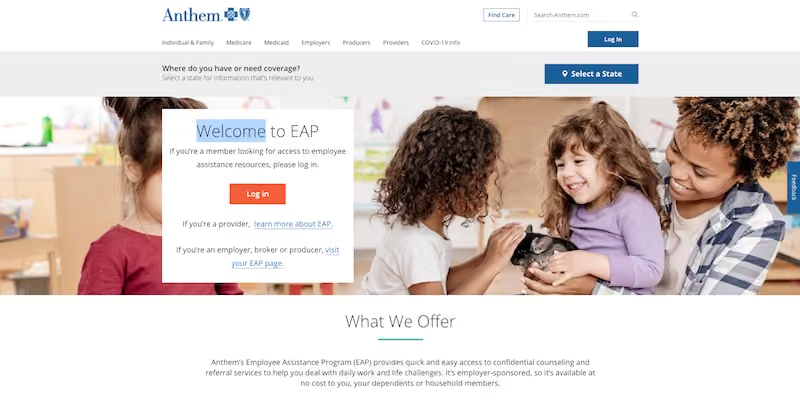
Anthem's EAP service addresses a range of issues, including work/life balance, mental and emotional well-being, child, elder, and pet care, critical incidents, legal concerns, and financial issues. They offer a rich library of self-help resources such as online webinars, podcasts, and articles addressing health, wellness, parenting, education, adoption, etc.
Employees can also reach out to licensed practitioners and behavioral health coaches through online or in-person sessions. They are trained to help you address substance abuse, grief, anxiety, depression, family and relationship troubles, stress management, and more.
Apart from this, Anthem's EAP provides elder and child care support by providing access to home health agencies, nursing programs, and other childcare resources. Employees can also seek legal and financial consultations with experts as part of their EAP program.
EAP service from Anthem doesn't cost anything for employees. Employers pay extra as part of their insurance plan, determined by state and group size.
There are three models:
- The Basic model gives employees solution-focused counseling and referrals to additional resources.
- The Enhanced model includes Basic level solutions, as well as expanded work/life capabilities and employer services to support leaders and teams. This includes things like policy consultation, critical response services, training and seminars, and unlimited telephone consultations for managers.
- The Customized model provides enterprise and national level employers lots of flexibility, including customized counseling sessions and on-site options.
Best For
Anthem's EAP is most useful for national and enterprise employers who already use Anthem as their health insurance provider. However, lower pricing models make it affordable for businesses of all sizes.

Typically, I would sign in to pay invoices, check benefits, or contact customer service for more information on plan benefits, drug coverage, and similar topics. I estimate I logged in at least once or twice a week during normal operations, with that frequency increasing significantly during open enrollment periods, when I was fielding employee questions and pulling benefit comparison reports.
Most of my time was spent navigating the employee portal to verify coverage details, check claim statuses for employees with questions, and pull reports to share with our leadership team during benefits reviews.
I also used it regularly to update employee information when we had workforce changes, such as adding new hires to the system or processing status changes for life events.
Compared to some providers like Aetna, it's easy to navigate and use. Getting in touch with customer service is fairly simple, and the representatives are informative. The prices are reasonable, and the benefits coverage for employees is solid.
Customer service access was one of the features I used most—being able to quickly reach a representative who understands our plan specifics saved me countless hours of troubleshooting.
I've worked for a few companies that engaged with Anthem Health for their medical benefits plans. Over the years, I would estimate I’ve spent about five years total using their platform for medical benefits administration.
Anthem offers good-quality PPO benefits, along with a list of ancillary benefits our employees have consistently appreciated, such as gym benefits, OTC, and pharmacy benefits that are somewhat better than what some other companies offer.
These companies were looking to reduce healthcare costs while maintaining robust coverage options for their workforce, which was challenging given rising premiums across the industry.
Anthem helped achieve this balance by providing transparent pricing tiers and flexible plan options, allowing employees to select plans that matched their needs while keeping our overall benefits budget manageable.
Their AI chatbot, Sydney, is irritating, often hallucinating answers, giving gibberish, or saying representatives are available when they aren't. The locator for finding a specialist can be frustrating, and the information is frequently outdated.
Technology-wise, I think they’re ahead of the game, and they go out of their way to make things work for the companies that rely on them to provide benefits to their employees.
Compare more than just the prices—look at the features and benefits offered. Also, check what’s available in your area.
Many employees complained about benefits they couldn’t use due to a lack of local providers, but in my experience, Anthem was accepted by most providers.
It has added some new technology but has remained mostly the same over the past ten years.
Any organization, but especially large ones that are well funded.
Possibly very small companies, although I’ve worked with them in organizations of around 50 employees, and the experience was still good.
Headspace
Cost-effective and quick, Headspace is a mobile app that lets your employees chat with behavioral health coaches within seconds at any time of the day. Employees can also schedule video therapy with licensed practitioners.
PROS
- Members can connect with a behavioral coach in under 60 seconds at any time of the day
- Headspace offers a wide variety of self-help resources at no additional cost to the user
- Members can connect with a behavioral coach in under 60 seconds at any time of the day
- Ginger offers a wide variety of self-help resources at no additional cost to the user
CONS
- Headspace is not a web-based platform. Users can access the tool only via their smartphone
- Members outside the USA do not have access to video therapy and psychiatry sessions.
- Ginger is not a web-based platform. Users can access the tool only via their smartphone
- Members outside the USA do not have access to video therapy and psychiatry sessions.
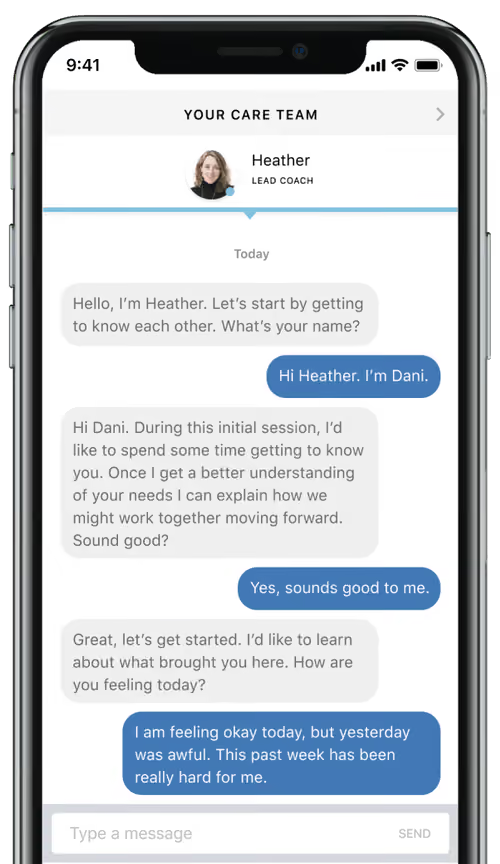
Headspace offers employees access to behavioral coaches in under 60 seconds, irrespective of the time of the day. Whether you're dealing with anxiety, stress, or relationship problems, Headspace's team of licensed practitioners ensure that you get the care you deserve. Though Headspace is available in all 50 states in the US, and 50+ countries worldwide, video and psychiatry sessions are confined to the United States.
Buzzfeed, Sephora, TaskRabbit, SurveyMonkey, and Chegg
Headspace's pricing is not disclosed on their website. You can get in touch with their team for a custom quote depending on how much access to coaches and therapists your company requires. Employees and their dependents don't have to pay any fees.
Best For
Any sized company will find Headspace valuable for keeping employees happy and healthy.
I use Headspace to support my mental health, including depression and anxiety. The meditation and cognitive-based approaches have suited me best, significantly to calm my mind during and after the work day.
I've even leveraged the therapy sessions, as they've been the perfect incentive to support my well-being without paying out of pocket by utilizing my employer-based insurance. In addition, I've shown my family the benefits of how I'm able to navigate my insomnia by allowing myself to rewire my brain chemistry and not overthink at night.
I've noticed an overall uptick in my thinking capabilities, navigating different employee personalities, and staying focused.

I love the benefits of using both my desktop and mobile apps when I'm on the go. I appreciate the different mental health tools, such as support with stress and anxiety with meditation. The software runs seamlessly without any hindrances, which is also a great attraction since there are no disruptions when I need it the most.
Mental health concerns were heightened during the pandemic. We were introduced to a new era, which was impacting our personnel, 78% to be exact, based on our HRIS metrics.
We were receiving not only a ton of mental health grievances through our employee relations team, but our employees' productivity slowed down by 17%. Employees were experiencing depression, anxiety, lack of sleep, and burnout.
Instead of offering employer training and internal courses, we decided to go external to best support them in their own time. We've been successfully using Headspace for over 5 years and provide this incentive in our new hire onboarding.
Their customer service process to support employees can be delayed, especially when connecting their account to the employer incentive. I've also encountered delays requesting additional licenses since the company has grown due to integrating new personnel.
Employees have also reported limited video therapy access as they don't always have expert personnel after regular business hours.
Headspace is surely the best of its competitors in terms of pricing, implementation, and the range of mental health care it provides. We had a demo with Balance, and although the application is free for the first year, it doesn't provide the best cognitive approach for those in need of day-to-day support.
This tool is the ideal investment to support your employees in terms of their overall support and well-being. Although the investment can be considered a risk for companies, the overall benefits in terms of ROI are phenomenal. Metrics show that employees will have a better mental capacity and wellness when using their programs.
Also, implementation strategies are free, with Headspace SMEs navigating the site, so we can teach and guide employees to use the benefits best.
Headspace is constantly evolving with different programs based on their research and the needs of people. Since adapting this platform, Headspace offers custom approaches best suited to the individual and their needs. They've also included clinical assessments and skill-building resources emphasizing increasing your interpersonal deficits.
I believe Headspace can be beneficial for all organizations, but specifically for those in high-stress corporate positions, creative/PR organizations, government personnel, or technology industries.
Headspace may not be best for users who aren't ready to acknowledge the importance of their mental health and appreciate best practices for improving their overall well-being. It may also not benefit those who need in-person support.
How to Use Employee Assistance Programs
It’s not an exaggeration to say that EAP programs play an essential role in organizational success. These programs can provide not only a full spectrum of preventative care solutions for mental and behavioral health, such as daily meditation apps and counseling but also crisis management for life challenges.
Specifically, companies, big and small, can use an employee assistance program for:
1. Managing Stress Effectively
Given that 77% of Americans reported being stressed out by work, EAP programs can be a valuable resource for managing this stress. These programs offer counseling, stress management workshops, and relaxation techniques that equip employees with the tools they need to cope with pressure.
By doing so, EAPs help reduce burnout and increase productivity. According to new data, EAPs result in a 5:1 return on investment (ROI), with 85% of the savings coming from decreased medical claims for stress-related conditions.
2. Addressing Workplace Challenges
EAP providers can lend you a great hand when it comes to workplace conflicts, performance pressures, and adjusting to organizational changes. With these resources, you can expect healthier team dynamics and reduced employees’ levels of stress.
Studies show that EAP programs can cut sick leave by 33%, as employees feel supported in managing work-related challenges, which leads to improved attendance and performance.
3. Supporting Caregivers with Elder and Child Care
For employees managing caregiving duties, EAPs provide resources like eldercare and childcare referrals, along with financial planning assistance. This support eases the burdens on caregivers and as a result, allows them to focus better on their work.
For employers, considering that 98% of HR professionals are experiencing burnout, these programs can also relieve HR teams from the pressures of crisis management and channel their focus on strategic HRM instead.
4. Boosting Employee Career Growth
EAPs help employees with career counseling, goal setting, and professional development resources. By aligning personal aspirations with organizational objectives, employees experience greater job satisfaction.
Recent stats show that EAP programs can cut the time managers spend addressing performance issues by 74%, as employees receive proactive career guidance.
5. Resolving Family and Relationship Issues
Through family and marriage counseling, EAPs help employees address conflicts and build healthier relationships. Addressing personal challenges improves emotional well-being, which positively affects employee experience and work performance.
Research indicates that EAPs can foster a more harmonious workplace by reducing employee grievances by up to 50%.
6. Promoting Mental and Physical Well-being
EAP programs have been shown to reduce workplace accidents by 65% by addressing individual well-being and substance abuse issues, a recent study indicates.
This makes sense, as the programs enable employers to support employees’ mental health by giving them access to mental health professionals and wellness programs, which is vital for early intervention in health challenges.
7. Providing Grief Support
Managing grief in the workplace is everything but easy, but EAPs can provide valuable grief counseling to help your people cope with the loss of loved ones. Effective bereavement support can reduce absenteeism by allowing employees to process their feelings in a healthy manner. This support enables them to stay focused on their work while they heal.
8. Addressing Addictions and Risky Behaviors
Some EAP providers can also offer addiction counseling, substance abuse programs, and referrals to rehabilitation services to help employees get back on track and maintain workplace safety.
These programs are great for lowering risks from impaired behavior at work, which can significantly cut down the likelihood of accidents.
9. Assisting with Financial and Legal Concerns
Most EAPs assist employees in navigating financial and legal issues by connecting them with financial wellness programs and legal consultants.
By tackling these concerns, EAPs can reduce stress, which in turn eases the financial worries that often play a big part in employees' mental health and productivity.
Most Common Pitfalls Of Employee Assistance Programs
An effective EAP provides a custom range of services that fits the needs of the organization — both employers and employees. However, there are many pitfalls that can prevent a program from effectively serving an organization. Let’s take a look at a few of them:
- Poor Communication/Misunderstood Benefits: Employee assistance programs rely on active enrollment in all initiatives. If employees don’t understand the program's details or how it may serve them, not only will your investment be wasted, but your employees won’t be getting the help they need when they need it.
- Value vs. Cost: If your EAP program is underutilized, or a poor fit for your organization, the expense of providing an EAP may outweigh its possible benefit. If the available services aren’t clear and easily accessible, employees and management may view it as money better spent on more traditional employee benefits and perks, such as revamped health insurance, child care, or elder care.
- Stigma and Cultural Acceptance: Everyone knows that life isn’t perfect, and has its share of ups and downs. However, employees won’t feel comfortable seeking help from an EAP program if they fear that they will be looked down upon by management or colleagues alike. Organizations should take an active role in promoting company-wide acceptance of the utilization of these programs, and the common life circumstances that make them necessary.
- Inability to Prove ROI: The initial and continued buy-in of an employee wellness platform by upper management relies on the data to prove its efficacy. Without proper tracking of enrollment, as well as pre-and-post-implementation statistics on absenteeism, medical costs, and more, organizations might dismiss EAPs as ineffective.
- Perception of Confidentiality: In addition to the services offered in response to drug test results or onsite behavioral incidents, EAP services should be completely confidential for employees or their family members. However, this is often not clearly communicated—or if it is, the employee lacks confidence that their privacy will be respected and that seeking treatment could have professional repercussions.
- Quality of Services: The effectiveness of your employee wellness program not only relies on its communication but also on he quality of the services offered, which depends heavily on the level of expertise possessed by EAP providers and counselors. Organizations should always vet the experts under an EAP’s umbrella to ensure that the advice and counseling employees receive are beneficial.
- Employee Misuse: Unfortunately, employee misuse of EAP services to avoid disciplinary action is all too common. Such employees will claim they are struggling with substance abuse problems or other traumas to avoid penalties, demotions, or dismissals, sometimes even promising to seek help through the employer’s EAP to tackle the issue. This type of behavior ties the hands of an employer, as the employee is protected under the Americans with Disabilities Act.
- Clunky Technology: No matter how great a program’s benefits are, if the app or website used to access them is difficult to use, employees will be too frustrated by the platform to engage with the EAP. This is especially important if one of the major EAP offerings is a virtual coaching app or platform for relevant, helpful content.
EAP Benefits and ROI
As an organization, you have an obligation to help your employees care for themselves, and that extends outside of the office. But doing the right thing is far from the only benefit of providing an Employee Assistance Program. According to research from the Center for Prevention and Health Services, workplace costs of mental illness and substance abuse disorders range from $79 to $105 billion each year. An Employee Assistance Program can help these employees combat absenteeism, lack of engagement, workplace distress, and personal strife.
An EAP is a proven, cost-effective solution to many of the problems employers face today, and translates into very tangible ROI. According to the Department of Labor, employers save an average of $5 to $16 for every dollar invested in an effective Employee Assistance Program. In a recent WOS annual report, companies saw an average of 10.92 hours of work missed over a 30-day period due to mental health-related issues before implementing an EAP system. After program implementation, this number was nearly cut in half to 5.64 hours — an improvement of 48%.
While EAPs keep identities confidential, in most cases, you will receive a usage report from your provider that shows how many employees are taking advantage of your program and how they are using it. These reports can tell you if you’re getting your money’s worth by offering an employee wellness program.
Pricing of Employee Assistance Programs
The cost of an EAP varies widely depending on the type of program desired, the size of the organization, the industry, and the quality of service offering. In addition to these variables, the approach to pricing can vary across providers. Providers charge on a “per use,” “per call,” or “per employee” basis.
- “Per use” pricing models offer services like telephone support and online resources for a fixed monthly fee, applying additional charges for other services such as face-to-face counselling.
- “Per call” pricing on the other hand offers their EAP service cost at a fixed cost, minus a flat rate for every call their employee makes to the EAP.
- “Per employee” pricing is by far the most popular option amongst EAP providers, charging a fixed price per employee based on the expected use of the service.This fee usually ranges between $10-$50 per employee each month, but can be higher depending on the number of services provided and the size of the organization. Smaller organizations tend to have a higher per-employee price, and can have a more difficult time finding an affordable EAP as many providers have an employee enrollment minimum.
Features of Employee Assistance Programs
According to recent studies, an estimated one in four adults in the United States have a diagnosable mental disorder, one in five adults have an alcohol use problem, and one in eight adults have a drug or other kind of addiction. Untreated mental health disorders and addictions can damage your employees in many ways, increasing their risk of illness, personal problems, incidents at work or school and even a family breakdown. However, more than half of employees don’t tell their employer about such problems for fear of losing their job.
Due to both their flexibility and confidentiality, EAPs allow your staff to get the help they need, when they need it. From emergency response to onsite traumatic incidents to custom content like videos and podcasts, EAPs can cover a broad spectrum of features that enhance well-being in a confidential manner and prevent absenteeism or sick leave.
Common features of top EAPs include:
- Crisis Management and Incident Support: Accidents happen and crises can arise, from employee deaths to organizational violence. When these incidents occur, every second counts. Ensure that your employees are supported 24/7 with an EAP that provides immediate expert workplace crisis management and incident support, from on-site debriefings and in-person counseling services to rapid response from a specialized crisis management team.
- Substance abuse: According to the National Center for Biotechnology Information, the majority of adults with substance use problems are employed, and an estimated 29% of full-time workers engage in binge drinking, 8% engage in heavy drinking, and 8% have used illicit drugs in the past month. Due to the recent pandemic, these numbers are expected to rise. EAPs can help sufferers of substance abuse by offering preventive services and screening, early identification, short-term counseling, and referral to specialty treatment.
- Mental Health Services: As of 2017, 1 in 5 U.S. citizens has reported a mental illness, and U.S. Employers spend about $31 billion a year in lost productivity due to depression alone. By providing access to free therapy for behavioral and mental health conditions, and encouraging employees to take advantage of these surfaces, employers can alleviate suffering, help offset costs and contribute to a culture of prevention.
- Holistic Wellness Content: One of the more advanced features available in some EAPs, online portals or apps can provide custom wellness content for employees, from meditation training to establishing work-life balance. In addition, these portals and apps can keep track of any program progress, important contact info, and more.
- Workplace Concern Hotline: While this may not fall under the umbrella of every EAP provider, the most holistic providers will often offer a toll-free, confidential number to report workplace concerns that can affect your employee’s emotional and physical well-being. Harassment and discrimination, workplace violence or threats, on-site substance abuse, fraud, and other issues can be caught early when employees feel they have a safe place to turn.
EAP System Demo Questions
When it comes time to choose a provider, one of the first steps is to attend a demo. This is one of the best opportunities your organization has to get your concerns addressed, and ultimately ensure that you’re choosing the right provider. We recommend coming up with a list of questions about the use cases most relevant to your business to have in hand during every demo you attend.
Here are a few topics to brainstorm your own questions:
- What qualifications do the staff possess? All staff members employed by the EAP provider to interact with your employees should be licensed, EAP-trained counselors with a master’s degree from an accredited university. As these professionals will often be providing services to employees when they’re in a time of crisis, it’s critical that they possess the necessary training and experience to manage all manner of life issues.
- How are employees referred to affiliates? When your employees are facing a crisis or dealing with mental health issues, it can be an impossible burden to call various affiliates and determine both availability and appropriateness or their particular case. The best EAPs will assign your employees to a compatible counselor and verify their availability directly, instead of simply providing referral services.
- Do they offer continuity in care? Counselor-client relationships can be tricky and tiring to establish, as sometimes it takes several counseling sessions for an employee to feel comfortable. For continuity and comfort, employees should be able to speak with the same counselor they’ve worked with in the past. Any EAP staff fielding calls should be able to determine which counselor the client has seen in the past and help schedule a repeat session if so desired.
- How are cases monitored? Cases shouldn’t be closed until the EAP counselor confirms that the employee is satisfied with the referral(s) received and has resolved their issues.
- How adaptable is the EAP? An effective EAP team is agile, and collaborative, drawing upon all of its available professional resources to help your organization in whatever way is necessary. Whether the crisis is immediate or ongoing, the EAP should be equipped to handle it.
- What management resources are available? An employee in trouble can be a difficult issue to face for any manager. Supervisors often struggle with how to handle the situation or dread taking necessary corrective action. Many EAP vendors have trained interventionalists or organizational mediators on staff who can deliver services onsite.
- Does the EAP offer online or In-person training? Whether the EAP offers in-person or on-line training options could make a big impact on the program’s ROI. In-person training tends to be more engaging, but online offers instant accessibility and can be more easily prolonged for employee development.
- Is there an assigned account manager? Many EAPs have a designated account manager who oversees all aspects of implementation, and acts as a single point of contact for any problems or concerns.
- Does the EAP offer promotional materials/activities? As we’ve covered previously, EAPs offer little value if employees aren’t aware of it’s assistance or don’t understand how to use it. Several EAPs will offer a variety of promotional/informational materials, such as printed and digital flyers, orientation sessions, and manager training.
Implementation of Your EAP System
Once an EAP provider has been chosen, there are several steps an organization should take to get their program up and running. First, an organization should draft an internal EAP policy that explains the following:
- What the business hopes to accomplish by offering an EAP
- A step-by-step procedure for employees to follow in order to access available services
- How the business intends to maintain confidentiality and employee privacy.
After the EAP policy is completed, both the launch of its program and its policy should be publicized within the organization, via internal newsletters, websites, and social networks. These communications should list any and all services available through the program, and stress that confidentiality is assured. In addition, human resources departments should set aside office hours for employees to come in and speak with the HR team about any questions they might have.
Remember that without engagement, your EAP will fail in its mission. Communication is key: speak directly to your employees about the benefits, and make sure they understand what it can do for them. Pamphlets summarizing the benefits and business cards are handy here — leave them in shared spaces, at the front desk, or anywhere else they can be easily picked up by interested employees.
Employee Assistance Programs FAQs
What Is an Employee Assistance Program (EAP)?
An Employee Assistance Program (EAP), as defined by the U.S. Office of Personnel Management, is a voluntary workplace program that provides free, confidential assessments, short-term counseling, referrals, and follow-ups for employees facing personal or work-related issues.
EAPs tackle a wide range of mental and emotional well-being issues, including substance abuse, stress, grief, family issues, and psychological disorders. They also offer consultative support to managers and supervisors for employee and organizational challenges and are instrumental in preventing and managing workplace violence, trauma, and emergencies.
How much does an EAP cost?
Pricing of an employee assistance program varies by provider. However, you should be prepared to pay per user, per call, or per employee.
Is EAP free to employees?
Yes, EAP is employer-sponsored, so it’s free to employees, their dependents, or household members.
What are some examples of EAP?
Examples of employee assistance program services include:
- Counseling Services: Support for mental health, family, marital issues, addiction, and grief.
- Work-Life Balance Resources: Assistance with childcare, eldercare, financial wellness planning, and legal consultations.
- Crisis Support: 24/7 helplines and onsite response for critical incidents.
- Health and Wellness Programs: Fitness resources, stress management, and chronic condition coaching.
- Career Support: Career coaching, skill-building, and workplace conflict resolution.
- Substance Abuse Help: Rehab referrals, training for substance abuse awareness, and recovery support.
- Financial and Legal Assistance: Debt management, tax planning, and legal advice.
- Workshops and Training: Sessions on stress management, communication, and mental health awareness.
- Digital Tools: Online counseling, mental health apps, and educational resources.
Who is the largest EAP provider?
Some of the largest EAP providers include:
- ComPsych Corporation: Serves 33,000 organizations and 89 million individuals in over 140 countries.
- Magellan Health Services: Covers 14.2 million U.S. employees.
- OptumHealth Behavioral Solutions: Supports 14.1 million individuals in the U.S.
- TELUS Health (formerly LifeWorks): A leading Canadian provider serving over 37 million individuals globally.
- Workplace Options: The largest independent global provider, serving 65 million employees in 200 countries.
Final Thoughts
An intelligently structured, comprehensive, and well-implemented EAP can have a huge positive impact on your organization’s morale, productivity, and bottom line. But before we leave you to your decision-making process, we offer a word of caution: what you pay for is what you get. Many EAPs have been advertised with a cost as low as $1 per employee, but don’t count on these providers to give the necessary support your employees are looking for. Instead, please take a look at our vetted list of providers above, and ask for a demo with the 2-3 best bets for your particular case.
About the Author


About Us
- Our goal at SSR is to help HR and recruiting teams to find and buy the right software for their needs.
- Our site is free to use as some vendors will pay us for web traffic.
- SSR lists all companies we feel are top vendors - not just those who pay us - in our comprehensive directories full of the advice needed to make the right purchase decision for your HR team.


