



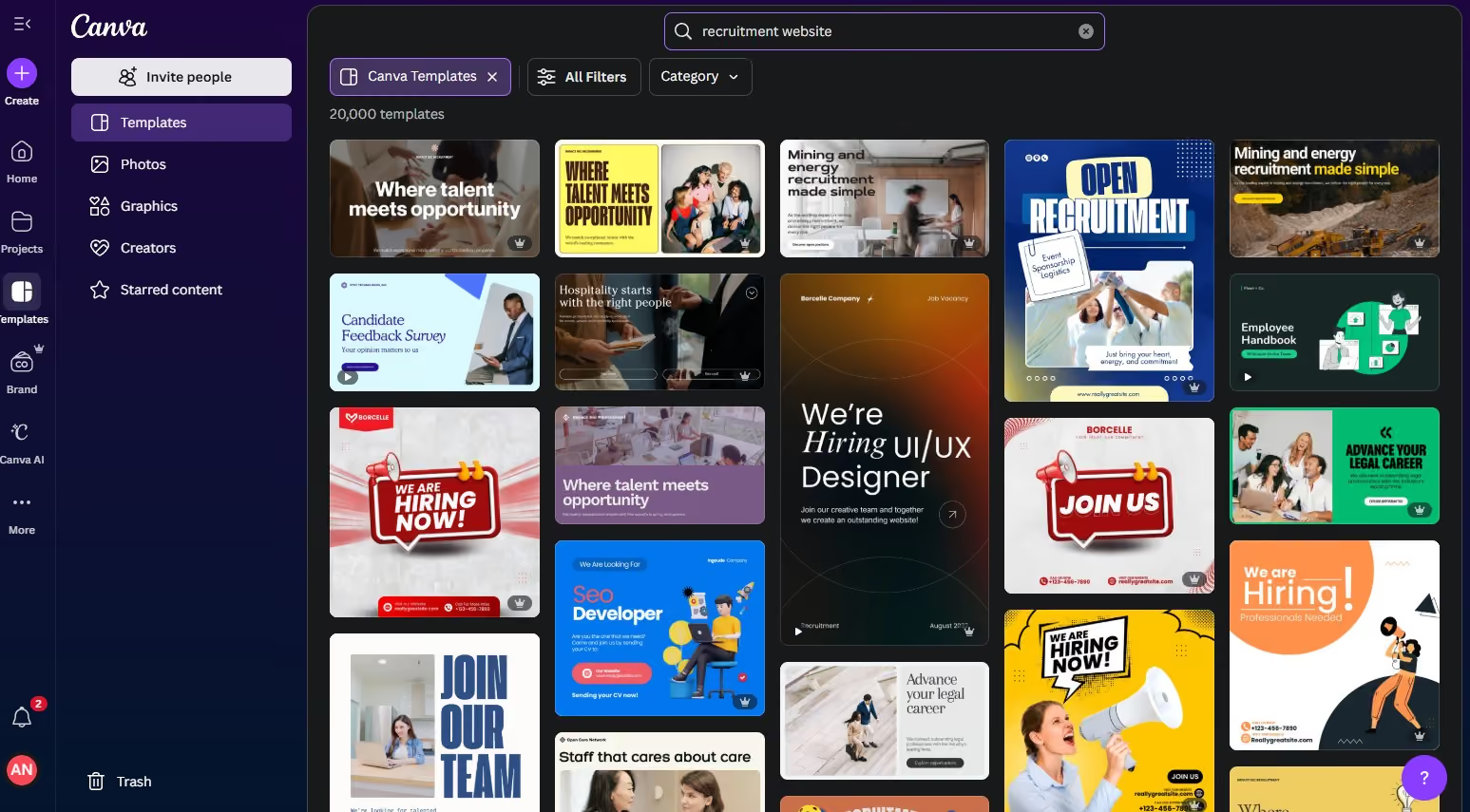
Canva is best known as a design platform, but its website feature makes it a practical option for recruiters who prioritize visual presentation over functionality. It works well when the goal is to publish a clean, attractive recruiting page quickly using existing design assets and templates.
Ratings
Ease of Use
Best For
Key Differentiator
Price
Free Trial
PROS
- Design first approach with access to Canva’s large library of templates, fonts, and visuals
- Extremely easy to use, especially for teams already familiar with Canva
- Free website templates available with optional Canva Pro upgrades
- Professional looking pages with minimal setup
- Very fast design and publishing workflow
CONS
- Very limited functionality for recruiting workflows
- No native job listings, ATS integrations, or databases
- Minimal SEO controls
- Not designed to scale beyond simple sites
- No built in ecommerce or scheduling tools

Need Help? Talk to an HR Software Advisor!
Tell us more about your company & an HR Software Advisor will help you find the right software





In recruiting workflows, Canva is most often used to create simple, visually appealing pages rather than functional hiring systems. Recruiters use it to publish one page sites that showcase who they recruit for, what roles they specialize in, or how candidates and clients can get in touch.
Canva works particularly well for recruiters who already create content and branding assets inside the platform. Colors, fonts, logos, and visuals can be reused directly in website layouts, making it easy to maintain a consistent brand without involving designers or developers.
Recruiters also use Canva websites as supporting assets for outreach. A single page site can act as a destination link in LinkedIn messages, email signatures, or social posts. This is effective for building credibility and context without sending candidates to a complex careers site or external job board.
Because Canva websites are lightweight and static, they are not suited for managing job listings or applications. Recruiters typically link out to Google Forms, email, or ATS hosted application pages for any next steps. Canva functions more as a presentation layer than a recruiting tool.
SEO and scalability are where Canva shows its limits. Pages are not built for long term organic traffic or complex navigation. As hiring needs grow or workflows become more structured, most recruiters eventually move to a more robust platform.
Overall, Canva is best viewed as a design driven shortcut. It helps recruiters publish polished recruiting pages quickly, but it is not intended to support ongoing or high volume hiring operations.
Wix

Wix

Durable
Durable

Carrd
Carrd
WooCommerce
WooCommerce

WordPress.com
WordPress.com
Canva offers a free plan, with paid plans starting at $7.50 per month.
Independent recruiters and small agencies that want a visually polished one page recruiting site or portfolio using Canva assets, and need something fast, simple, and design led rather than feature rich.
Company HQ
Number of Employees
Year Founded
Amount Raised
FAQ
About SSR

We spend hundreds of hours researching the best HR and recruiting software so you don’t have to. We never take money from vendors during our research phase and rely heavily on practitioners and experts to help us recommend the right software. However we may earn a small fee if you click on vendor links on this page.

